My Child Has Fever — What Should I Do?
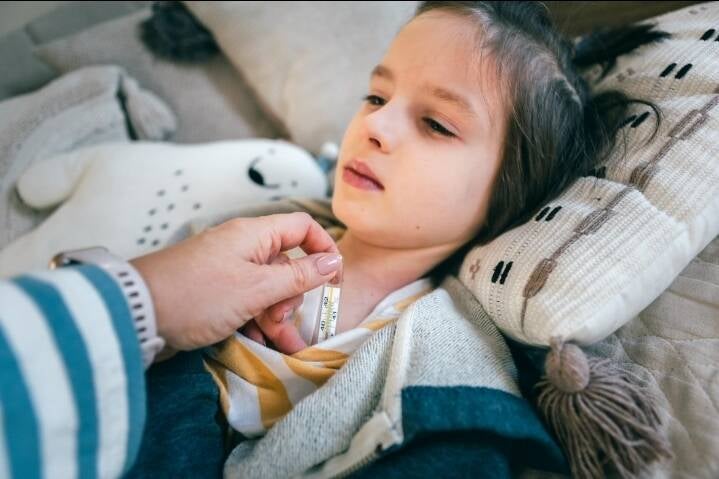
Fever is one of the most common reasons parents seek medical advice for their children. In most cases, fever is a normal response of the body to infection and helps the immune system fight viruses and bacteria.
A fever is usually defined as a body temperature of 38°C (100.4°F) or higher.
Common Causes of Fever in Children
Fever in children is usually caused by:
• Viral infections (common cold, flu)
• Ear infections
• Throat infections
• Gastrointestinal infections
• Urinary tract infections
• After vaccinations
When Should I Give Fever Medicine?
Fever medicine is usually given when:
• The child is uncomfortable
• Temperature is above 38–38.5°C
• The child has pain or poor feeding
The most commonly used medicines are:
Paracetamol (Acetaminophen)
Dose: 10–15 mg/kg every 4–6 hours if needed.
Ibuprofen
Dose: 10 mg/kg every 6–8 hours if needed.
Always check the correct dose based on the child’s age and weight.
Simple Things You Can Do at Home
If your child has fever:
• Encourage the child to drink fluids
• Dress the child in light clothing
• Allow the child to rest
• Monitor temperature regularly
• Use fever medicine if needed
Avoid giving multiple medicines at the same time unless advised by a doctor
When Should You See a Doctor?
Seek medical attention if:
• Your baby is under 3 months old with fever
• Fever lasts more than 3 days
• The child has difficulty breathing
• Persistent vomiting or dehydration
• Severe headache or neck stiffness
• Unusual sleepiness or irritability
• Seizures (febrile seizures)
These signs may require medical evaluation.
Important Medical Safety Information
This guide provides general information for parents about fever in children.
It does not replace professional medical advice, diagnosis, or treatment.
If you are concerned about your child's condition, always consult a qualified healthcare professional.